
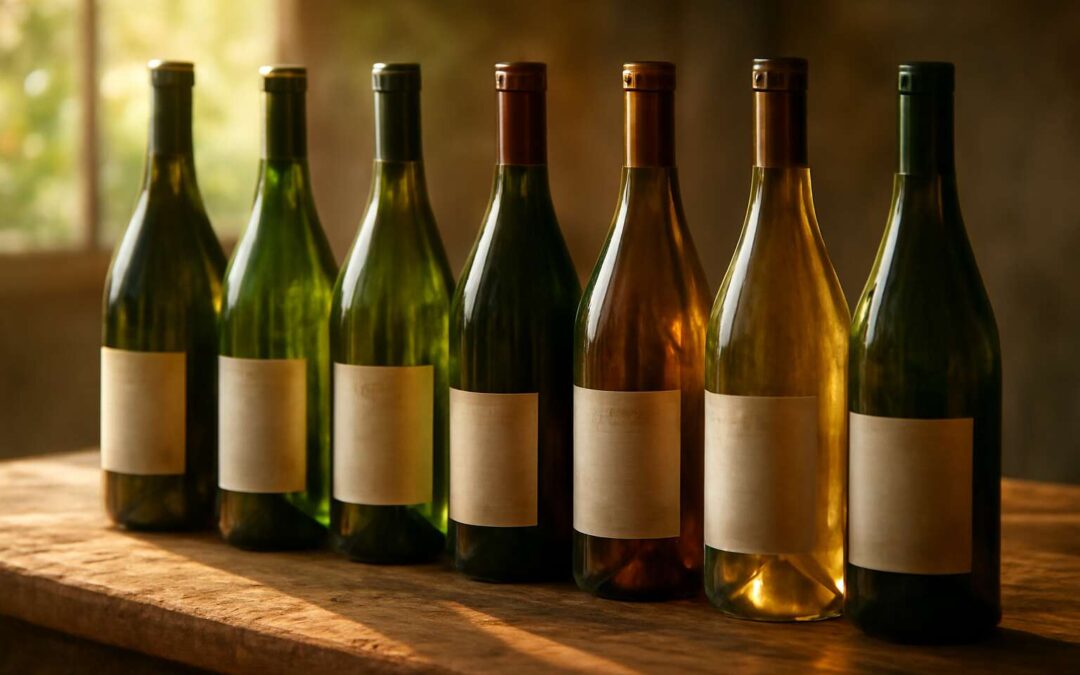
Anatomy and types of glass bottles for wine
The first whisper of a wine’s story travels through its glass. The anatomy of a glass bottle—the punt at the base, the angular shoulder, the slender neck, and the precise lip—guides aroma, pours, and the moment you lift a glass to the light. “The bottle is the wine’s first conversation,” notes a South African winemaker.
These features matter because they influence aging, cleanliness, and the moment of first impression. The following elements reveal a bottle’s character:
- Punt
- Shoulder
- Neck
- Lip
- Rim
- Base
On types, scholars point to the Bordeaux silhouette—tall, with a decisive shoulder and a straight body—versus the Burgundy form, which broadens at the midsection. In South Africa, many winemakers lean into Bordeaux shapes for Cabernet and Shiraz, while Pinotage finds a home in Romantic Burgundy-esque contours. These wine glass bottles carry the terroir from the cellar to the table, whispering of climate, soil, and careful fermentation.
Sustainability and materials for wine packaging
Sustainability isn’t an afterthought; it’s part of the pour. In South Africa, the footprint of wine glass bottles is weighed with the same care we give to terroir, and glass that travels lighter can still carry a story as vivid as a Stellenbosch morning. A Cape winemaker once quipped that the bottle is the wine’s passport—built to endure, yet traveling with minimal baggage. Recycled-content glass and smarter melting practices trim the footprint without dulling the bottle’s welcoming sparkle.
- Higher recycled content and cullet usage lowers energy needs in production
- Lightweight bottle designs reduce transport emissions while preserving integrity
- Sustainably sourced labels and closures reduce lifecycle waste
As packaging evolves, the material choices behind wine glass bottles reveal more about climate, craft, and conversation than any tasting note alone.
Marketing and branding with glass bottles
On South African shelves, packaging sells as loudly as the wine itself. Studies claim that up to 70% of in-store decisions hinge on the bottle in front of a shopper, not the last vintage notes—proof that wine glass bottles are marketing assets as much as containers.
Branding with glass is about more than fonts; it’s about the conversation the bottle starts before the first sip.
- Shelf presence: color, weight, and silhouette that signal style
- Label storytelling: a tale of place, without making the label a novella
- Closure and texture: tactile cues that invite picking up and putting down with care
In a market where craft and climate talk at the same tempo, your bottle can be the quiet, confident brand ambassador.
Purchasing and customization considerations
Choosing wine glass bottles is a buying decision as strategic as selecting the wine! In a crowded SA market, the bottle carries the brand as much as the liquid inside—delivery timelines, minimums, and the capacity for a custom run that tells your story before the cork is popped.
A few purchase considerations shape the choice:
- Engraved or embossed finishes on glass
- Closure options (cork, screw cap, or synthetic) and their impact on preservation
- Color, tint, and weight to signal style and price tier
- Label compatibility and decoration methods (hot-stamp, etch, or sticker alternatives)
Smart buyers weigh supply reliability, MOQ policies, and sampling timelines as part of the procurement rhythm. When the aim is character as much as content, wine glass bottles become a brand hand you can trust—carrying the story of the wine into every tasting room and onto every shelf.