
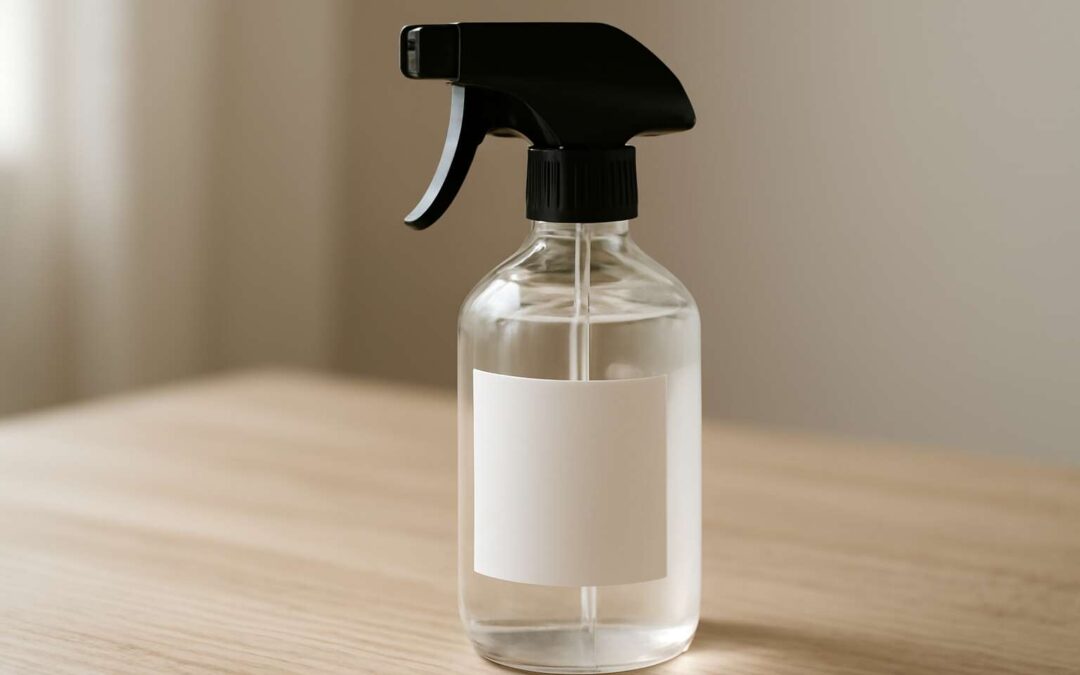
Choosing Durable Glass Bottles for Room Sprays
Glass Type and Coatings
Across South Africa, glass packaging reshapes how scent is experienced, with a growing share of room fragrance buyers opting for glass over plastic. For room spray glass bottles, durability matters—the bottle becomes part of the scent story and a signal of quality. What a difference durability makes!
Glass Type matters: soda-lime is common and affordable, while borosilicate offers higher resistance to temperature and impact. Colored options—amber or cobalt—cut UV exposure from essential oils, helping scents stay true from bottle to room.
Consider these practical traits:
- Thick-walled soda-lime for everyday use
- Amber or cobalt glass to shield fragrances
- Inert inner coatings that won’t interact with essential oils
A well-chosen bottle supports the scent long after it leaves the shop. Durable glass helps protect the room spray glass bottles scent over time.
Bottle Size and Fill Line Calibration
A recent industry stat turns heads: 62% of shoppers make up their minds within moments of lifting a bottle. In the whisper of glass and scent, you can feel the story form. For room spray glass bottles, size and fill-line precision quietly shape how a fragrance travels from shelf to room, turning potential into memory.
Consider these practical traits that support a premium impression:
- Standard capacity options aligned with retail layouts
- Visible fill lines that support consistent QA across batches
- Finish and mouth design that keep the spray true to its mood
When the bottle size matches your campaign and the line sits true, the scent travels with the confidence of a well-kept secret—readable, reliable, and unforgettable.
Sprayer Mechanisms and Compatibility
Sixty-two percent of shoppers decide within moments of lifting a bottle, a whisper of glass and scent that seals a memory. Choosing durable glass bottles for room spray glass bottles means marrying sprayer mechanisms to a compatible neck finish so the scent travels true—from shelf to room in South Africa’s bustling retail scene. The right actuator, a trusted seal, and corrosion-resistant materials keep every spray faithful, even amid busy aisles.
- Neck finishes that match standard sprayer closures (commonly 20/400 or 24/400)
- Sprayer type and flow rate compatibility to ensure a fine mist and full atomization
- Leak resistance and cap integrity under transport and shelf life
Durability also hinges on a bottle’s lip design and glass thickness to withstand repeated actuations without compromise, helping brands maintain QA across batches and ensuring the fragrance travels with a confident, unwavering mood.
Cap Options and Tamper-Evident Seals
Sixty-two percent of shoppers decide within moments of lifting a bottle—a whisper of glass and scent that seals a memory. Choosing durable room spray glass bottles means pairing cap options with tamper‑evident seals so the fragrance travels true—from shelf to room in South Africa’s bustling markets. The right cap, a steadfast seal, and resistant finishes guard freshness through crowded aisles and long shelf life, turning everyday moments into a scent memory.
- Induction-seal under cap for clear tamper evidence
- Shrink-band or printed tamper-evident seal that stays intact during transport
- Child-resistant or easy-release caps depending on market and use
Durability isn’t only about the cap; it’s about how the seal behaves in transit and during repeated handling from warehouse to shelf. A well‑sealed bottle brings consistency to brand stories, even amid the noise of South Africa’s busy retail landscape.
Labeling, Branding, and Safety Considerations
In South Africa’s crowded aisles, a label can be a memory before the bottle is opened—a memory that lingers longer than the fragrance. When choosing room spray glass bottles, labeling and branding carry the scent even in transit. The label must endure alcohol-based formulations, deliver clear product claims, and meet safety requirements without sacrificing aesthetics.
Brand consistency on the container—color palette, typography, and logo placement—creates trust in a bustling market. For safety, ensure visible batch codes, net contents, and brief warnings are legible, with durable materials that resist smudging in humid SA climates.
- Label materials that resist solvents and perfumes
- Clear typography with high-contrast colors for legibility
- Visible safety warnings, batch codes, and net contents
All of this breathes life into the bottles, turning shelves into stories rather than merely products.
Design and Aesthetics of Room Spray Packaging
Visual Appeal: Color, Clarity, and Finish
Packaging is the first fragrance of a product—85% of shoppers notice color and finish before the scent. In the realm of room spray glass bottles, color and clarity broadcast a mood before the cap is touched.
Color acts like a quiet ambassador in a South African home—amber for warmth, crystal for freshness, cobalt for energy. Clarity communicates purity and premium craft; it invites the gaze and implies honesty. Finish choices—gloss, satin, frosted—shape how light plays on the glass and how fingers glide over the surface. The glass itself, with subtle thickness, can feel tactilely luxurious, hinting at the fragrance inside. For many shoppers, room spray glass bottles double as decor.
- Color palette and mood
- Clarity and brightness
- Finish and tactile appeal
Done well, the packaging doesn’t shout; it harmonizes with scent, space, and brand story, turning a simple design into a keepsake for South African homes.
Customizable Labels and Artwork
In a South African fragrance showroom, 72% of shoppers decide within three seconds based on packaging alone. Design and Aesthetics of room spray packaging—customizable labels and artwork—set the stage long before the cap is lifted. For room spray glass bottles, typography, color, and label finish tell a brand story faster than a punchy tagline. The label is not just information; it’s a quiet mood board that travels from shelf to hand.
- Typography that speaks to the brand voice
- Label materials that resist humidity and fingerprints
- Artwork that scales from bottle to shelf decor
Finishes like foil accents, matte textures, and elegant embossing elevate presence on room spray glass bottles, without shouting. When artwork aligns with the scent’s mood, the shelf becomes a stage—South African homes embrace decor that harmonizes with atmosphere, not overpower it.
Transparent vs. Frosted Glass Effects
A South African fragrance showroom reveals a blunt truth: 72% of shoppers decide within three seconds, packaging dictating the first impression. In room spray glass bottles, the choice between transparent and frosted glass becomes a visual preface to scent. Transparent glass invites the color and clarity of the fragrance to speak; frosted glass morphs branding into a soft, confident presence.
- Transparent glass leverages color and liquid hue to communicate mood instantly.
- Frosted glass channels discretion and refinement, letting the label become the star.
- In both, typography, color palette, and label texture harmonize with light and shelf context.
Across South African homes, the choice sits as a quiet invitation, a mood board on a glass stage. I notice how the glass choice nudges the room’s atmosphere in a Cape Town living room, shaping perception before a single breath of fragrance.
Packaging Alignment with Brand Identity
Design and Aesthetics of Room Spray Packaging open a dialogue between scent and shelf. When packaging aligns with brand identity, the container becomes a narrator, not merely a vessel. In South Africa’s boutique fragrance scene, room spray glass bottles must whisper the brand’s ethos at a glance, shaping expectations long before a single sniff!
- Typography that mirrors the brand voice travels across light and texture.
- Color narratives that harmonize with the scent profile without overpowering.
- Finish and material choices that invite discovery and reflect sustainability.
On a Cape Town shelf, packaging alignment becomes a mood board that carries a brand’s narrative into everyday life. The bottle’s silhouette, the finish, and the label harmonize with room aesthetics, setting expectations and elevating the unboxing moment.
Eco-Friendly and Recyclable Packaging
Across South Africa’s boutique fragrance scene, packaging is a promise that speaks before the scent arrives. “Packaging is communication without words,” and that truth lands on the Cape Town shelf. For room spray glass bottles, design whispers sustainability through restrained typography, clear silhouettes, and materials chosen for longevity. Recycled glass, plant-based inks, and labels that minimize waste turn the bottle into a stylish ambassador for the fragrance inside—an impression that lingers long after the first whiff.
- Recycled glass content and curbside recyclability
- Plant-based inks and water-based coatings for legibility
- Minimalist packaging to reduce waste and complexity
In Cape Town’s sunlit aisles, Eco-Friendly and Recyclable Packaging informs the design, inviting discovery and respecting the environment. The room spray glass bottles balance glossy presence with tactile warmth, signaling a brand that cares as much about end-of-life as it does about its first impression.
Practical Guide to Sourcing and Sustainability
Sourcing Reputable Glass Suppliers
Sustainability isn’t a buzzword; it’s the quiet backbone of a brand’s scent story. “Packaging is the silent salesman,” someone once quipped, and a notable consumer survey hints that loyalty leans heavily toward packaging that treats the planet with respect.
When hunting reputable glass suppliers for room spray glass bottles, seek partners who offer traceable provenance, robust quality controls, and transparent environmental commitments. These essentials guard your margins and your reputation.
- Independent audits and certifications (ISO 9001, responsible sourcing)
- High recycled content and full recyclability of the glass
- Local manufacturing footprint to cut transport emissions
- Clear lead times, ethical labor practices, and honest pricing
In South Africa’s vibrant market, aligning with regional producers supports resilience and accountability while keeping the brand’s narrative anchored in local values. A good supplier treats the bottle as a statement—substantive in form, responsible in footprint—long after the last spritz of room spray glass bottles.
Minimum Order Quantities and Lead Times
Sourcing isn’t shopping; it’s a dance with margins and meaning. In South Africa, a growing share of buyers—roughly two-thirds—say packaging transparency sways loyalty more than glossy slogans. When evaluating partners for room spray glass bottles, sustainability isn’t a nicety; it’s a criterion that keeps products on shelves and margins intact. That’s the reality!
For practical sourcing, minimum order quantities and lead times aren’t afterthoughts; they’re project milestones. Here’s a concise frame to navigate them without friction:
- Clarify MOQs and consider staged or split shipments to keep inventory agile.
- Request realistic lead times, including production and transit windows.
- Get calendar-specific details—glass color runs, coating batches, and fill-line alignments.
- Lock in clear terms for delays, cancellations, and pricing adjustments.
Solid timelines protect the brand story and prevent costly back-and-forth when demand shifts.
Recyclability and Reusability
In South Africa, 64% of shoppers say sustainable packaging loyalty outshines glossy slogans, a spark that cuts through the market’s dawn-lit chatter. For the practical guide to sourcing and sustainability around room spray glass bottles, recyclability and reusability aren’t add-ons—they’re core criteria that guard margins and the narrative you tell customers.
- Partner with manufacturers offering refillable systems tailored to SA markets
- Choose glass designed for easy local recycling and lower energy use
- Offer take-back or refill partnerships to close the material loop
These steps carve a practical path that keeps products moving off shelves and preserves the saga behind room spray glass bottles as responsible, enduring choices.
Sustainable Packaging Materials and Labels
64% of South African shoppers say sustainable packaging loyalty outshines glossy slogans, a spark that cuts through the market’s dawn-lit chatter. For room spray glass bottles, the practical guide to sourcing and sustainability unfolds as a living poem—each material choice shaping trust and ambience in equal measure.
Choose materials designed to travel the local recycling loop: glass that pairs beauty with low-energy processing, labels that cling without masking the form, and inks that favor water-based clarity. Transparency about provenance turns packaging into a genuine conversation with consumers!
- Label substrates tuned to South Africa’s recycling streams
- Inks and adhesives that balance durability with end-of-life separability
- Packaging mass and form engineered for transport efficiency
Together, these decisions thread a narrative of durable elegance—sustainability woven into the scent, the shelf, and the story that lingers after the spray.
Quality Assurance and Compliance Checks
In South Africa, 64% of shoppers say sustainable packaging loyalty outshines glossy slogans. For room spray glass bottles, the path from supplier to shelf hinges on quality, not vanity.
Quality assurance and compliance checks keep packs honest, ensuring safety, accurate labeling, and responsible sourcing travel from factory to consumer.
Key QA focuses keep it honest, at a glance.
- Certification and standards alignment
- Traceability and batch records
- End-of-life compatibility and recyclability
Compliance means aligning with South Africa’s packaging and cosmetics rules, maintaining chemical safety data, and relying on independent testing for validation.
A well-sourced program isn’t flashy; it’s durable, trusted, and built to travel.
Usage, Safety, and Compliance Considerations
Safe Handling and Storage
From the edge of dusk to the gentlest dawn, room spray glass bottles in South Africa carry memory, not merely fragrance. Used as intended, the scent unfurls across a room—subtle, enduring—turning ordinary spaces into moments worth lingering in.
Safety governs the ritual behind every bottle; I respect that with quiet vigilance. Handle with care, keep it away from curious hands, and never mix with cleaners or solvents. When not in use, seal the cap and store upright in a cool, dry corner.
Compliance considerations and Safe Handling and Storage rely on transparency. For the South African market, clear labeling, batch numbers, and tamper-evident seals reinforce trust. Maintain storage away from heat and follow local guidelines so the finished product remains a responsible fixture in homes and studios.
Ingredient Compatibility and Shelf-Life
Open a room and a scent becomes a memory etched in the air. In South Africa, room spray glass bottles release a measured plume that travels softly, transforming a room without shouting. Used with restraint, the fragrance lingers—subtle and enduring—making familiar spaces feel newly welcoming. The act of spraying is a small ritual that respects the room’s rhythm while delivering atmosphere rather than overpowering it.
Safety sits at the core of every bottle. Keep out of reach of children and pets! Avoid eye contact, and never mix with cleaners or solvents. When not in use, seal the cap and store upright in a cool, dry corner away from heat sources. If any irritation occurs, flush with water and seek medical guidance.
Compliance considerations and ingredient compatibility plus shelf-life shape how these products perform over time. In SA markets, ensure clear labeling and responsible handling, and confirm that blends are compatible with the glass bottle and sprayer to avoid corrosion or clouding. Shelf-life hinges on storage conditions; keep away from heat and sunlight.
- Ingredient compatibility: avoid reactive blends that could affect coating or color.
- Shelf-life guidance: most blends stay stable 12–24 months when stored properly.
Safety Certifications and Regulatory Considerations
Fragrance writes the room in real time. These room spray glass bottles become a storyteller—subtle, precise, never shouting. A single spritz from the midair distributes an even veil, allowing the scent to linger softly and transform familiar spaces into welcoming scenes. It’s atmosphere you can measure!
Safety sits at the core of every bottle. Keep out of reach of children and pets. Avoid eye contact, and never mix with cleaners or solvents. When not in use, seal the cap and store upright in a cool, dry corner away from heat sources. If irritation occurs, flush with water and seek medical guidance.
Compliance considerations and safety certifications: In SA, label clearly with GHS-aligned statements, provide ingredient lists, and directions. Ensure glass bottle and sprayer materials are compatible to prevent corrosion or clouding. Storage away from heat and sunlight extends shelf-life and regulatory considerations for consumer safety.
Child- and Pet-Safety Packaging
“A room without fragrance is a silent room,” the old houses seem to whisper. In the realm of room spray glass bottles, a single, measured spritz releases an even veil, turning familiar spaces into welcoming scenes—subtle as a shadow, not shouting into the air.
For usage, aim for the center of the room and sweep once or twice to distribute the scent evenly. Hold the bottle upright and avoid direct application to walls or fabrics; the mist should weave through air, leaving a gentle trace rather than a flood.
In South Africa, compliance means clear labeling with GHS-aligned statements and an ingredient list, plus directions for safe handling. Packaging should be child- and pet-safe, with robust caps and tamper-evident features, while the glass and sprayer resist corrosion and clouding to protect shelf life.
- Child-safe packaging concepts
- Compliant labeling and hazard information
- Material compatibility and durability
Labeling Requirements and Hazard Communication
Fragrance moves faster than rumor. In room spray glass bottles, a centered spritz releases an even veil that lifts routine spaces into welcoming scenes. The mist travels with the air, weaving through the room rather than pooling on walls or fabrics. Subtle, deliberate, and never overpowering, it settles like a whisper!
Safety starts with packaging that keeps formulas secure and away from curious hands. Child-safe caps, tamper-evident seals, and durable materials protect both shelf life and peace of mind. In South Africa, clear labeling and hazard communication are essential to safeguard homes and workplaces.
Labeling requirements and hazard communication rely on clear GHS-aligned statements, an ingredient list, and directions for safe handling. The goal is simple clarity that informs, protects, and supports compliant packaging for every room.
- GHS-aligned hazard statements
- Ingredients list
- Safe handling directions
Marketing and SEO Best Practices for Glass Room Spray Bottles
Keyword-Optimized Product Descriptions and Alt Text
A striking product story sells before the first spritz is tested. For room spray glass bottles, the hook sits in copy that captivates without jargon, grabbing attention from curious shoppers and search engines alike.
Marketing and SEO converge on keyword-optimized product descriptions and alt text that speak to intent. Describe glass, scent, and usage with natural language, preserving brand voice and accessibility for diverse audiences.
To keep the narrative crisp, consider these elements:
- Alt text describing the bottle’s glass, cap, and spray mechanism in everyday terms
- Product descriptions that evoke mood, room setting, and fragrance notes
In South Africa, mobile shoppers expect fast, localised results and consistent branding. Ensure alt text and descriptions align with local search patterns, so room spray glass bottles shine in local search results.
Content Ideas: How-To Guides and Care Tips
Three seconds—that’s the window a mobile shopper in South Africa grants a product page before they scroll. In that blink, alt text and precise descriptions become the deciding factor between a passerby and a purchase. For room spray glass bottles, a crisp narrative and clear cues win trust.
Content ideas should stay practical and human: How-To guides and care tips that cover safe handling, refilling, and durability; mood-led descriptions that place the scent in a real room; and accessibility-friendly copy that speaks to diverse audiences.
- Step-by-step care routines
- Refill and sprayer maintenance
- Mood-driven scent pairings
Localised SEO matters: weave South African search terms, local phrases, and store details into copy and alt text so results feel immediate and familiar. A consistent brand voice across pages, packaging, and captions keeps mobile shoppers engaged and coming back!
Visual Content Strategy: Photography and Videos
Three seconds—three heartbeats—decide a mobile South African shopper’s fate. For room spray glass bottles, photography and video are trust in motion: a glassy gleam, a hint of mist, a sunlit room that feels reachable. Our visuals speak to real SA spaces—from Cape Town kitchens to Johannesburg lounges—so the scent becomes tangible rather than theoretical.
- Mood-led staging with natural textures and practical scale
- Consistent framing and light to protect brand identity
- Platform-aware design that fits local mobile behavior
Together, these choices create a visual language that supports discovery and measurement, helping the product range live longer in search results and in the feeds where South Africans shop.
Local SEO and Retail Packaging Display
A spicy stat from SA e-commerce: nearly 70% of shoppers begin on mobile and decide in seconds. For room spray glass bottles, local flavor matters more than glossy glass. Local SEO and retail packaging display aren’t afterthoughts—they’re front doors. Show up where South Africans shop, in the right language, with dependable local signals and clear packaging cues.
Story and search work together: product pages must feel local yet global, with visuals and metadata tuned to everyday SA spaces—sunlit lounges, kitchen corners, and all those corners South Africans actually use.
- Local presence through a robust Google Business Profile.
- Geo-targeted product pages aligned with local intent.
- In-store packaging displays reflecting shopper habits and layouts.
A/B Testing for Label Variations
Shoppers in SA ecosystems skim fast, and the right label can tilt the decision in a single glance. For room spray glass bottles, the scent of place—local language, familiar visuals—does more for trust than glossy glass alone.
Marketing and SEO best practices embrace A/B testing for label variations: for room spray glass bottles, test what your audience actually reads, and let that data guide alt text, product descriptions, and image choices. Even the packaging signals—brand tone, claim statements, and regulatory copy—feed search signals, shaping on-page relevance and user engagement.
Consider a few high-level variations to explore:
- Typography and readability on mobile
- Color contrast and photography style
- Concise benefit statements vs. feature-heavy copy
Competitor Analysis and Trend Tracking
In South Africa, three seconds is all a shopper spends on a room spray glass bottles listing before deciding. Competitor analysis shows how rivals frame scent stories and trust signals, while trend tracking reveals which local vibes dominate SA shelves. This is about measuring what readers actually read and letting that data guide alt text, descriptions, and imagery.
Trend tracking informs tone, imagery, and local language usage, ensuring visuals speak to Cape Town mornings and Durban rains. A compact list of signals helps stay relevant:
- Local vernacular and cultural cues
- Seasonal scent narratives
- Visual consistency across mobile layouts