
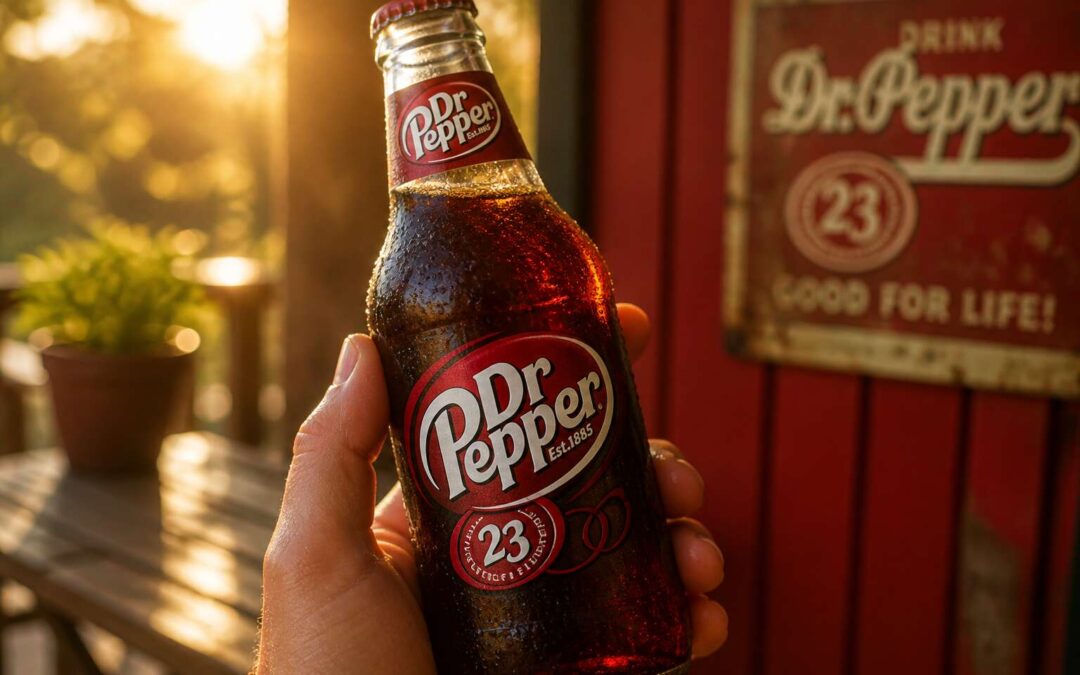
The Unique Appeal of Soda in Glass Bottles
The Flavor Difference
There is a quiet ritual that many soda lovers swear by, one that involves cracking open a cold one and hearing that satisfying hiss. But not all Dr Pepper is created equal. The version that comes in glass bottles of Dr Pepper holds a distinct advantage over its aluminum and plastic counterparts. It is not just nostalgia talking. The science of carbonation and storage plays a role.
When you pour from a can or a PET bottle, the flavour profile shifts slightly due to the materials interacting with the beverage. Glass is inert. It does not absorb or impart any compounds. This means the signature blend of 23 flavours, the cherry, the vanilla, the subtle spice, remains pure and untainted. Many fans describe the taste as smoother, with a cleaner finish and a more pronounced sweetness. The carbonation also behaves differently, feeling sharper and more lively on the tongue.
For those in South Africa who have hunted down imported cases, the experience is worth the effort. You might notice a richer mouthfeel and a less metallic aftertaste. If you are curious about the difference, consider this quick comparison:
– Cans often emphasise the sharper, more acidic notes.
– Plastic bottles can sometimes mute the deeper caramel and prune flavours.
– Glass bottles of Dr Pepper deliver a balanced, round profile that lets each note breathe.
The bottling process also matters. Many glass versions are produced in smaller batches, which can mean a fresher product reaching the shelf. While the recipe remains the same globally, the container changes your perception. Next time you see a six pack of the heavy, green-tinted bottles, do not pass them by. You are not just buying a drink. You are experiencing the intended formulation, the way the creator first blended it. It is a simple choice, but for the devoted fan, it makes all the difference.
Why Glass Matters for Carbonation
When it comes to carbonation, glass bottles of Dr Pepper hold a distinct edge. The rigid glass creates a tighter seal than aluminium or plastic, locking in the fizz until the cap twists off. This means every pour delivers that sharp, lively bite that defines the drink.
Consider the science: plastic is slightly porous, allowing gas to escape over time. Aluminium can react with the beverage, altering its effervescence. Glass, however, is impermeable and completely neutral. That is why many enthusiasts hunt down glass bottles of Dr Pepper for the most authentic experience.
Here is what you gain with glass:
- Superior pressure retention because glass is non-porous
- No gas exchange with the environment
- A consistent, vigorous fizz from first to last sip
For anyone who values that crisp, refreshing burst, the choice is clear. The container is not just packaging; it is part of the ritual.
Nostalgia and Aesthetics
Collectors prize empty bottles for good reason. Glass bottles of dr pepper reveal their history through small scratches and a satisfying soft fizz when opened. The aesthetic is simple and honest.
Consider these visual pleasures!
- The deep green glass that glows when held to light
- The embossed logo that rises beneath your fingers
- The frost that forms on the surface after an hour in ice
That last detail, I find, makes the drink feel substantial. Pouring from glass bottles of dr pepper becomes a remembered ritual, one that plastic packaging cannot provide.
How to Find These Iconic Beverages
Retail Stores
The hunt for glass bottles of dr pepper in South Africa is a quiet game of hide and seek. I have learned to bypass the big supermarket chains entirely, because their shelves favour aluminium and plastic. Instead, I wander toward imported goods specialists, the kind of shop that smells faintly of paprika and stale airline pretzels. One afternoon, a tiny deli in Morningside produced a dusty crate from under the counter. That moment of discovery never gets old.
- Imported food emporiums in major cities
- American candy and snack outlets
- Boutique beverage retailers with a focus on nostalgia
Online marketplaces are another route, though shipping fees can be brutal. Yet the price feels irrelevant when you finally twist that metal cap and hear the carbonated hiss. Ask shopkeepers directly; they often keep stock hidden for regulars. Persistence transforms a simple purchase into a ritual.
Online Retailers
A single crate of imported soft drink can carry shipping fees equal to its own price. South African buyers pay them anyway. The search for glass bottles of dr pepper often begins on marketplaces like Takealot, where third party sellers list American imports with irregular stock. I have found smaller success with specialist import websites that consolidate orders and ship through couriers.
- Takealot marketplace listings with seller ratings
- Boutique American food importers offering mixed crates
- International retailers that ship through reshipping services
The online route rewards the persistent. A direct message to a seller can unlock allocations that never appear on the public page. When the cardboard box finally lands on your step, the wait ends with the twist of a metal cap.
Specialty Markets
A gourmet deli in Cape Town keeps glass bottles of dr pepper behind the counter, unlisted and unpriced. The shopkeeper knows just who will ask.
Specialty markets reward the curious shopper. In Johannesburg, certain delis stock the same bottles among their imported goods. The stock is unpredictable, which is precisely the charm. You might find one dusty bottle, or a shelf freshly stacked with a morning shipment.
The hunt requires a temperament. I befriend shopkeepers who curate these fridges. A casual question about what arrived this week yields better results than a direct request. I once secured a rare allocation by visiting on a Tuesday afternoon.
- The shelves behind the counter hold the best stock
- Upcoming shipments are discussed before they are unpacked
- Regular visits matter, because the turnover is merciless
Those who wait for glass bottles of dr pepper to appear in mainstream supermarkets will wait forever. The specialty circuit is where they surface, one crate at a time, and the shopkeeper always knows first.
Subscription Services
The hunt for glass bottles of Dr Pepper in South Africa is a study in patience. Unlike the cans in chain supermarkets, these bottles arrive through sporadic import shipments and private connections. I have seen glass bottles of Dr Pepper appear in petrol stations and fishing shops, always unexpected. The price fluctuates wildly, from R35 to R120 per unit. A collector friend once traded a vintage sign for a case of 1960s ceramic editions; that is the true currency here. When you locate a source, three signs separate a fresh import from a shelf fossil:
- Cap crimp is tight, no buckling
- Glass is cold but not sweating
- Label ink is intact at the edges
Two rules govern this world: never ask for a discount on a first encounter, and always carry your own bottle opener. The reward is the certainty of possessing something that cannot be ordered on demand.
Comparing Packaging Formats
Taste Tests and Blind Comparisons
In my own blind tastings, the preference for glass bottles of Dr Pepper isn’t subtle; it’s a pattern that emerges sip after sip. I set up comparisons with cans and plastic bottles, all chilled to the same temperature, all poured into identical cups to remove visual cues.
The results surprised me. Panelists consistently picked the same sample as smoother and more balanced, even when they couldn’t identify the source. Here’s what stood out in those sessions:
- The carbonation in glass felt finer on the tongue.
- The spice notes lingered longer without turning harsh.
- The finish was cleaner, with no metallic or plastic aftertaste.
These are subtle shifts, but they repeat across groups. When the packaging is hidden, the glass bottles of Dr Pepper still signal their presence through texture and consistency. The perception holds up in every round of testing.
Shelf Life and Storage
There is a strange, quiet irony in the durability of a glass bottle. It feels fragile in the hand, yet it is utterly impervious to the chemical negotiations that occur inside aluminum and PET. When you consider the logistics of keeping Dr Pepper at its peak, the packaging is not just a vessel; it is the primary variable in the preservation of the formula.
For the collector or the purist in South Africa, storage is an act of respect. Heat is the enemy, and light is an opportunistic thief. The glass bottles of dr pepper require a cool, dark pantry, away from the aggressive summer sun that can warp the delicate balance of the spices.
Here is how the formats truly diverge in a practical sense:
– Cans are hermetic and lightweight, but the polymer lining is a temporary truce with the acidic beverage, not a permanent solution.
– Plastic bottles are porous over a long enough timeline, allowing micro-oxygen to slowly dampen the carbonation’s sharpness.
– Glass provides a neutral, non-reactive enclosure that maintains its structural integrity and flavor profile for well over a year.
- Store upright to minimize the liquid-to-cap contact, which can degrade the seal over an extended period.
- Maintain a consistent temperature below 22 degrees Celsius to prevent pressure fluctuations that accelerate flavor loss.
- Keep the bottles away from direct sunlight, as UV rays can literally cook the volatile flavor oils, leaving the drink flat and dull.
The shelf life difference is a matter of oxidative stress. A plastic bottle will lose its fizz and introduce a slight, flimsy taste after a few months. A can remains serviceable, but the aluminum often leaves a metallic whisper on the finish. The glass bottles of dr pepper, kept in ideal conditions, remain a time capsule. I have opened bottles stored for a year and found the carbonation still aggressive, the vanilla still warm. It is the only format that feels like it is waiting for you, rather than deteriorating. And when you recycle that heavy glass, you are closing a loop that plastic could never dream of completing.
Environmental Considerations
Every gram of packaging carries a silent invoice. In South Africa, that invoice is paid through energy, water, and waste. Glass bottles of dr pepper offer a ledger that balances differently from cans or plastic. Heavier in transit, maybe, butthe raw material does not degrade when melted down. Where plastic bottles are almost always downcycled into fibers or other lesser products, glass stays glass. And because bottle makers can reuse the same batch dozens of times, they open a longer path around the waste stream.
- Returnable glass requires no extra virgin material after each trip.
- Aluminum cans demand bauxite mining, which strips topsoil and uses far more electricity for smelting.
- PET bottles need strict separation at sortation plants, or they contaminate whole batches.
The choice is not simply about weight on a lorry. It is about what happens after you set the bottle down. In a municipality with reliable glass collection,that container becomes part of a cycle, not a cul-de-sac. That is an environmental argument that holds up even with heavier frieight.
Cost Differences
Every rand spent on a glass bottle of dr pepper includes a cost structure that the sticker price does not reveal. In South Africa, the comparison between formats starts with the deposit, a refundable fee that plastic and aluminium never ask. A can costs less at the till, but smelting its bauxite consumes electricity for hours. Plastic bottles carry a hidden price in sortation plants, where contaminated loads make recycling a loss.
- Transport: glass adds fuel expense per pallet.
- Breakage: cracked bottles end the refill cycle.
- Infrastructure: washing lines require capital that single-use formats avoid.
Those costs only appear after the purchase. Returnable glass bottles of dr pepper spread each expense over many trips, so the long term price evens out. The upfront rand is higher, but the balance settles through reuse.
The Culture and Community of Collectors
Vintage Bottles and History
Some collectors have amassed over 1,000 glass bottles of dr pepper. Their shelves document a century of design changes.
This community spans the globe, and South African enthusiasts trade stories of second hand shop discoveries and farm auctions. Each vintage bottle carries clues about its origin. Logos shift, embossing changes, and regional bottling plants left distinctive marks. The 1950s and 1960s examples are especially sought after.
Collectors sort their prizes by decade or by factory code, building private archives of the brand’s evolution. Online discussion boards light up when an unusual cap or a misprinted label appears. Local gatherings in Johannesburg and Durban have turned casual curiosity into lasting friendships.
Collectors prize these variants:
- Pre war squat bottles
- Mid century crown caps
- Centennial anniversary editions
These objects link owners across generations who share an interest in the brand’s story.
Limited Editions and Variations
The collector community treats glass bottles of dr pepper as historical documents. In South Africa, WhatsApp groups and Facebook pages buzz with trade offers, where a rare 1970s bottle from a Durban plant might exchange hands for a box of modern equivalents. Limited editions create their own mythology. The 1985 “Great Taste” relaunch bottles, the 1991 100th anniversary design, and regional test-market labels are prized finds.
Collectors often specialise:
– Factory code variations from Pretoria and Cape Town
– Misprinted caps from the 1960s
– Embassy and export-only editions
These variations trace distribution networks and local manufacturing quirks. The community thrives on shared knowledge, and seasoned collectors mentor newcomers through the nuances of glass bottles of dr pepper.
Display and Collection Tips
A collector in Durban once told me that glass bottles of dr pepper look best against indirect light, which brings out the amber tones without fading the labels. That small piece of advice sums up the culture of this community. Collectors in Johannesburg dedicate spare rooms to shelved bottles, arranging them by era rather than colour to map the brand’s regional history.
For newcomers, the community offers a few simple display practices:
- Keep bottles out of direct sunlight to prevent label bleaching
- Store caps facing upward to preserve the seal’s integrity
- Dust with a soft brush, never water
The real joy comes from swapping stories at local meetups. A Pretoria collector’s prized 1960s cap error sparked a three-hour discussion about factory machinery. These gatherings turn a shelf of glass bottles of dr pepper into shared history, one that grows with every new find.
Trading and Appraisal
At a Cape Town flea market, two collectors spent an hour debating a 1970s bottle with a faded crown cap. One argued the wear reduced its worth. The other insisted it proved the bottle’s journey. This is how trading works among glass bottles of dr pepper enthusiasts. Prices shift based on condition, regional rarity, and the stories attached to finds. A Durban collector swapped a complete 1980s set for a single 1965 bottle from a Johannesburg dealer. Both walked away satisfied. Appraisal follows local knowledge. Bottle shapes, embossing details, and cap types carry more weight than printed dates. Common questions during appraisal:
– Is the original cap intact?
– Does the glass show cracks or scuffs?
– Are the labels legible without tearing?
The answers decide whether a glass bottle of dr pepper sells for R150 or R1,500. A seller who misrepresents a bottle’s age loses standing quickly. That reputation outweighs any single sale.
Pairings and Recipes for Soda Enthusiasts
Classic Pairings with Salty Snacks
Opening glass bottles of Dr Pepper releases a prune-like depth that demands a counterweight. Rich carbonation cuts through the oiliness of fried snacks effortlessly, leaving a clean finish on the palate.
Consider classic salty snacks. Biltong provides a savory, spiced chew that extends the cola’s lingering finish. Salty pretzels amplify the caramel notes instead of masking them.
- Biltong strips paired with a lowball glass pour.
- Sea-salt crisps dipped in a Dr Pepper reduction.
- Smoked almonds to balance the sweet vanilla.
For a recipe, create a simple glaze. Simmer a cup of Dr Pepper until syrupy, then brush onto roasted lamb chops. The acidity tenderizes while the sugar lacquers the meat. This transformation from beverage to culinary component underscores its versatility. A single bottle yields enough glaze for four servings.
Cooking with Pepper Soda
There is a moment when glass bottles of dr pepper meet a hot pan. The caramel notes bloom into something savoury. I use it as a braai marinade, reducing the soda with soy and ginger until it clings to the meat. That transformation is why the glass bottle matters. The carbonation holds the flavour structure intact, which a plastic container cannot replicate.
For a quick weeknight sauce, try this:
- Simmer one glass bottle of dr pepper with two tablespoons of Worcestershire sauce.
- Add a cinnamon stick and a star anise for depth.
- Reduce by half, then brush over lamb chops or grilled chicken.
This approach turns a drink into a cooking tool. The sugar lacquers the surface, while the acidity cuts through fat. You get a glossy finish that tastes of the bottle’s heritage.
Cocktail Mixology
Glass bottles of Dr Pepper carry a distinct history in soft drink packaging. The brand introduced its iconic bottle design in 1923, and that silhouette remains recognizable today. Many collectors seek them out for vintage appeal and the way the amber glass filters the dark cola.
The taste difference between glass and plastic or aluminum is subtle but noticeable. Glass bottles of Dr Pepper preserve carbonation longer after opening. The material does not absorb flavors or odors over time. A cold glass bottle feels substantial in the hand, and the narrow neck encourages a slower drinking pace.
Production has declined since the rise of plastic and aluminum packaging. Some regional bottlers still produce glass bottles of Dr Pepper, often in limited runs. The 8 ounce bottle remains a favorite among enthusiasts. The 16 ounce returnable bottle, common in the mid 20th century, now appears mostly at auctions and swap meets.
The Dublin Dr Pepper bottling plant in Texas became famous for its pure cane sugar recipe and its glass bottles. That plant closed in 2012 after a dispute with the parent company, but the legacy persists. Today, collectors pay premium prices for those bottles, especially unopened examples.
The glass bottles of Dr Pepper also appear in popular culture. Movies and television shows use them to signal a specific era. The bottle shape is so distinct that it works as a prop without a label. The embossed logo on older bottles adds texture that paper labels cannot match.
Recycling is straightforward. Glass melts down and reforms without losing quality. Many bottlers use a percentage of recycled glass in new bottles. The carbon footprint of glass production is higher than plastic, but the material offsets that through durability and infinite recyclability.
For anyone interested in the soft drink industry, these bottles illustrate packaging evolution. They represent a time when bottlers customized their products for regional markets. The weight of the bottle, the thickness of the glass, the lettering on the shoulder, all of these details reflect manufacturing methods and consumer expectations.
BBQ Glazes and Marinades
Few things anchor a backyard gathering like the scent of a glaze reducing over an open flame. When that glaze starts with glass bottles of Dr Pepper, the result carries a depth that standard colas simply do not reach. The caramel and vanilla notes concentrate beautifully when simmered, creating a sticky coating that clings to ribs or chicken without turning cloying. I have found that the 8 ounce bottles work best for this, as the smaller format allows for precise measurement without opening a larger container that might go flat.
The key lies in reduction. Pour a bottle into a saucepan with a splash of apple cider vinegar and a spoonful of Worcestershire sauce. Let it bubble down to a syrupy consistency, then brush it onto meat during the final minutes of grilling. The sugar content means it can burn quickly, so patience matters more than heat. For a bolder marinade, add minced garlic and a pinch of smoked paprika to the mix.
– Pork belly strips, scored and soaked for two hours
– Beef short ribs, marinated overnight for deeper penetration
– Halloumi slices, brushed lightly for a vegetarian option
The glass bottles of Dr Pepper contribute something subtle here. The material does not impart any metallic aftertaste, which can happen with canned soda in a marinade. The result is a cleaner flavour profile that lets the spice and meat speak clearly. I usually keep a few bottles reserved solely for cooking, separate from my drinking stash. That way, the pantry always has a reliable base for a quick glaze, even when the collection itself stays untouched.