
The Role of the Compact Container in Modern Packaging
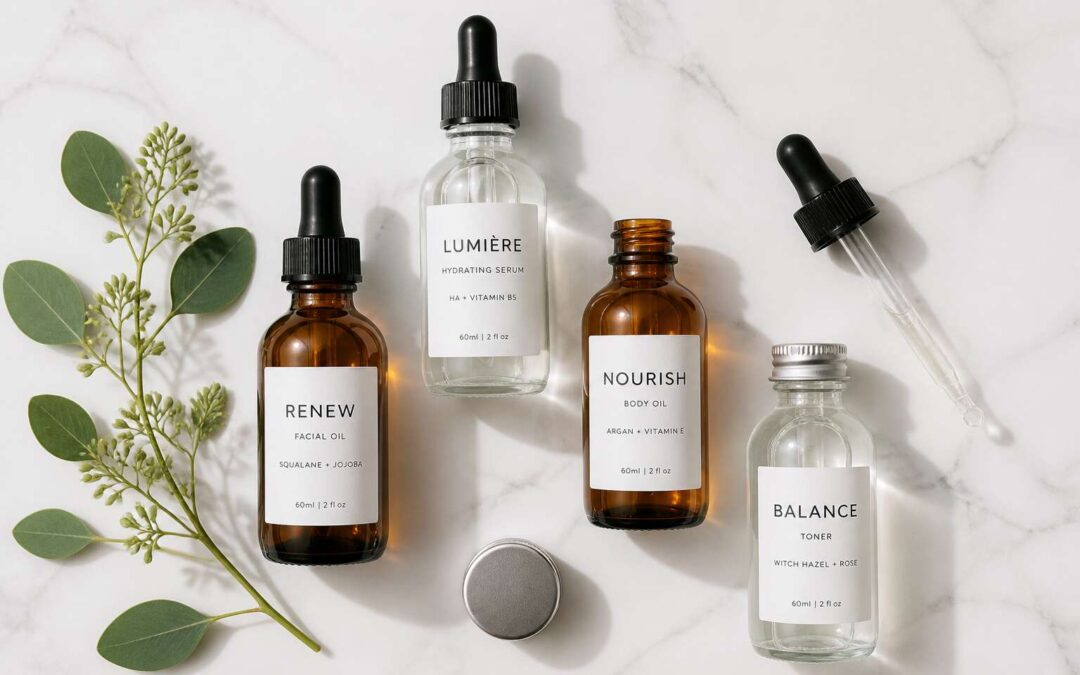
A single glass bottle 60ml holds a serum worth more than gold, yet its true value lies in what it protects. In modern packaging, the compact container has shifted from a simple vessel to a strategic asset. It reduces shelf space, lowers shipping weight, and signals a quality that plastic cannot mimic. I have observed how a small footprint influences buyer perception, making a product feel curated and intentional!
Here is what compact glass offers for South African skincare producers:
- It shields delicate formulations with an inert, nonreactive surface.
- It appeals to consumers who value refillable, minimal designs.
- It simplifies storage and display in tight retail environments.
That is the practical value of compactness. A glass bottle 60ml demands precision in every drop.
Choosing the Right Material Composition
Choosing the right material composition for glass bottles 60ml is a delicate balance. I have seen brands obsess over clarity, yet ignore how thickness affects durability. Borosilicate glass resists thermal shock, while soda lime glass provides cost savings for single use.
- Borosilicate: ideal for serums and essential oils.
- Soda lime: perfect for short shelf life products.
Your decision also impacts the closure system. A 60ml bottle with a narrow neck needs a precise glass finish. For South African manufacturers, local climate and transport conditions matter. That is why I always test the material before ordering a batch!
Applications Across Diverse Industries
Some products carry secrets. In the cosmetic and pharmaceutical sectors, the glass bottles 60ml format is a quiet standard. It holds potent serums, essential oils, and tinctures where precision matters. A single millilitre can change a formula’s outcome.
Consider the industries relying on this exact volume:
- Specialty skincare lines that demand light protection.
- Artisanal distilleries packaging concentrated flavour drops.
- Clinical laboratories storing sensitive reagents.
Each sector trusts the amber or cobalt glass to shield contents from UV degradation. The small footprint reduces waste while maintaining dosage accuracy. For South African producers, this size balances export practicality with premium presentation.
Closures, Seals, and Dispensing Solutions
The quiet precision of a 60ml glass bottle hinges on elements most people never consider. I have watched a perfect formulation fail because the seal was an afterthought. The closure is not a mere lid; it is the gatekeeper of the entire product.
Different contents demand different allies. A viscous oil for the Cape winter requires a different dropper than a volatile essential oil blend. The choice between a child-resistant cap and a simple screw top often decides more than just convenience. For a glass bottle 60ml in size, the thread finish must be flawless. A mismatched cap can lead to evaporation, contamination, and compromised integrity.
- Tamper-evident bands for consumer confidence
- Phenolic or urea caps for chemical resistance
- Pipette droppers for precise milliliter control
Consider the dispensing action. A sharp, decisive click from a pump can signal freshness. A smooth, silent dropper suggests elegance. The 60ml glass bottle allows for a control that plastic simply cannot mimic. You feel the liquid move.
I always urge clients to test the seal under stress. Leave the bottle on a sunny windowsill in Johannesburg. Turn it upside down in your bag. The best closure is the one that disappears from your awareness, working silently so you never have to think about it again.
Design, Labeling, and Branding Strategies
Glass bottles 60ml are having a resurgence in South African skincare. That size fits a palm perfectly, and the weight suggests quality without feeling bulky.
Design starts with the shoulder and neck. A narrow neck gives controlled drops. A squared base prevents rolling on countertops.
Labeling, though, is where many brands stumble. Your label needs to endure humidity and sticky fingers. It also has to meet local regulations. The practical demands include:
- Adhesives that resist water and oil.
- Critical information placed away from the bottle’s curve.
- Ink that survives constant handling.
Branding strategies rely on what the glass reveals. Customers see the actual product, which builds trust immediately! Amber glass works well for light-sensitive formulas. For retail shelves, I notice these glass bottles 60ml create a sense of precision. That familiarity becomes your marketing asset.
Cost, Sourcing, and Supply Chain Essentials
The price of glass bottles 60ml is a quiet burden on any ledger. In South Africa, the cost shifts with the rand, with energy tariffs, and with the price of soda ash. A single unit seems trivial! Multiply by a thousand and the figure presses against your margins. I have watched brands stumble here, treating the bottle as an afterthought when it is the first thing a customer feels.
Sourcing demands local knowledge. Cape Town and Johannesburg each have their own suppliers, both importers and domestic manufacturers. Local sourcing shortens lead times but often asks a premium. Imported glass bottles 60ml may appear cheaper, yet freight and customs remain unpredictable. When evaluating a supplier, I look for three things:
- consistent glass quality across batches
- honest lead times
- a willingness to hold small stock for you
The supply chain is fragile. A strike at a glass plant, a delay at Durban port, a fuel hike. All of it lands on your shelf. Keep buffer stock if your product is precious. A small reserve prevents a dead month.